Savvy’s Catherine Shuttleworth recently joined BBC Radio 5 Live Drive to discuss growing speculation around dynamic pricing in UK grocery, and whether shoppers should expect it any time soon.
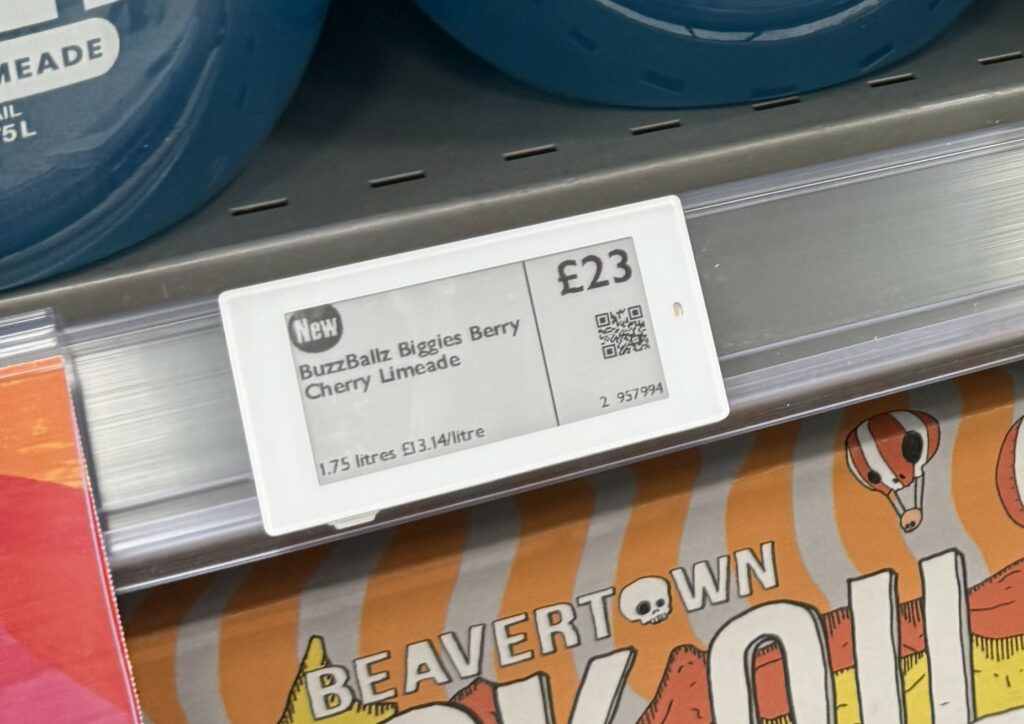
The short answer: not yet. There is currently no evidence that supermarkets plan to introduce dynamic pricing on essential items. However, the conversation has been sparked by a visible shift in-store – namely, the rollout of digital shelf-edge labels. These electronic systems allow retailers to update prices centrally, improving accuracy and operational efficiency across stores that carry tens of thousands of products.
Crucially, this shift isn’t just about convenience. It also supports operational efficiencies behind the scenes, helping retailers offset rising costs, such as recent increases in National Insurance and the minimum wage.
Efficiency vs. perception
From a retailer perspective, the move to digital pricing is a logical one. Managing frequent price changes manually is time-consuming and prone to mistakes. Digital labels offer a more reliable, scalable solution.
But for shoppers, the implications feel more complex. Dynamic pricing is already established in sectors like travel, ticketing, and ride-hailing. However, grocery is fundamentally different. Food is essential, habitual, and often tightly budgeted. As Catherine highlighted, UK shoppers place a high value on transparency and consistency, especially when it comes to everyday items.
Maintaining trust
The UK grocery market is intensely competitive. If shoppers feel they’re not getting fair value, they can and will shop elsewhere. This competitive landscape acts as a natural safeguard against practices that could be perceived as price gouging.
Savvy’s ongoing shopper research consistently shows that clarity in pricing is non-negotiable. Shoppers want to understand what they’re paying, why prices change, and how to make informed choices. Any move toward dynamic pricing would need to deliver clear, tangible benefits without undermining that trust.
Where innovation is really happening
While much of the debate has focused on electronic shelf labels, the bigger transformation is happening elsewhere, particularly in fresh produce.
This is where retailers are increasingly investing in technology to improve availability and reduce waste. More sophisticated, AI-driven demand planning and forecasting tools are enabling retailers to better match supply with real-time demand, ensuring shelves are stocked more accurately and efficiently.
For shoppers, this may be where technology delivers the most meaningful impact – through better availability, fresher products, and fewer out-of-stocks.
Where dynamic pricing might work
It’s worth noting that not all price fluctuation is viewed negatively. Shoppers are always happy to see prices drop – whether that’s markdowns on seasonal stock or reduced items nearing expiry. These are familiar, accepted forms of “dynamic” pricing that deliver obvious value.
The challenge comes if prices are seen to rise unpredictably, particularly on staples. That’s where resistance- and reputational risk – would quickly build.
Balancing innovation and reassurance
The introduction of digital shelf-edge labels marks an important step forward for grocery retail. But with new capability comes new responsibilities and challenges.
For now, supermarkets appear focused on using this technology to improve efficiency, accuracy, and cost management – not to introduce dynamic pricing models. Looking ahead, any evolution in this space will need to carefully balance innovation with transparency, ensuring that shopper trust remains firmly intact.
Because in grocery, more than almost any other retail sector, trust is everything.
Listen to the interview on BBC Radio 5 Live (41 mins)
https://www.bbc.co.uk/sounds/play/m002tncq